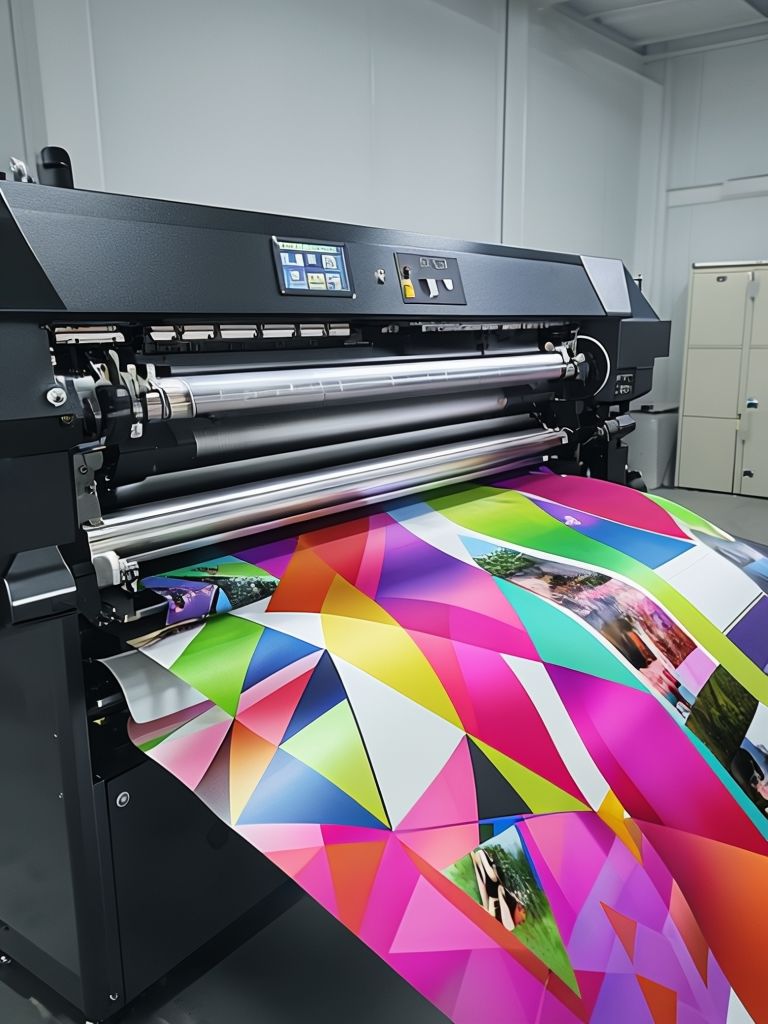
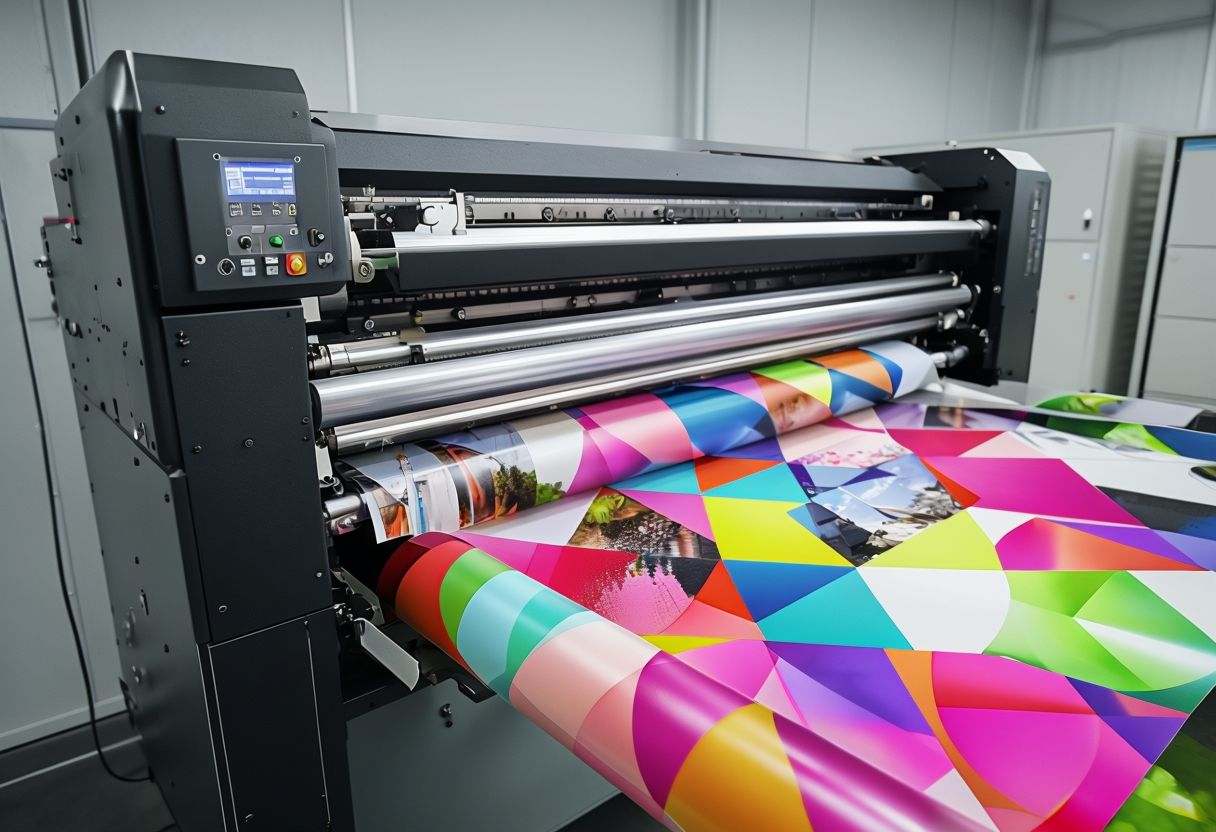
At Angel Priint Tech, we leverage both digital and flexographic printing technologies to cater to a diverse range of customer needs, ensuring we deliver innovative and high-quality self-adhesive labels and printing solutions.
Our digital printing capabilities allow us to provide fast, customized, and cost-effective solutions for short-run projects, offering vibrant colors and intricate designs that are perfect for personalized labels, promotional items, and specialized packaging.
On the other hand, our flexographic (flexo) printing services are ideal for high-volume orders, providing a versatile and efficient method to produce durable labels for various industries, including food and beverage, pharmaceuticals, and consumer goods. By combining these two advanced printing techniques, we can accommodate any order size and specification, from small, bespoke jobs to large-scale production runs, all while maintaining our commitment to exceptional quality.
At Angel Priint Tech, we continuously invest in the latest printing technologies and processes to ensure we meet our customer's unique requirements, setting new standards of excellence in the self-adhesive label and printing industry.
Digital printing is a modern printing method that transfers digital images directly onto a variety of
substrates, including paper, film, and vinyl. Unlike traditional printing methods, digital printing
does not require printing plates. Instead, it uses a digital file to instruct the printer on how to
apply ink or toner to the substrate. The process involves several key steps:
1. Pre-press Preparation: The digital file, often in formats like PDF, PSD, or CDR, is prepared
and optimized for printing. This includes color correction, resolution adjustments, and ensuring
the file is print-ready.
2. Printing: The digital printer, which can be an inkjet or laser printer, applies the ink or toner
directly to the substrate. Inkjet printers spray tiny droplets of ink onto the surface, while laser
printers use a powdered toner that is fused onto the substrate using heat.
3. Finishing: After printing, additional finishing processes such as lamination, varnishing, or
die-cutting may be applied to enhance durability and appearance.
Digital printing is ideal for short-run and customized print jobs. It is commonly used for:
1. Self-adhesive labels: Suitable for small quantities and variable data printing, such as barcodes, serial numbers, and personalized labels.
2. Marketing materials: Brochures, business cards, posters, and promotional items.
3. Customized packaging: Short-run packaging, event giveaways, and unique product launches, and many other uses.
1. Cost-Effective for Short Runs: Digital printing is economical for small quantities as there are no setup costs associated with printing plates.
2. Quick Turnaround: The absence of plates and minimal setup time allow for faster production.
3. High Quality and Precision: Digital printing offers sharp images and vibrant colors, ideal for intricate designs and detailed graphics.
4. Flexibility: Easily accommodates variable data printing and customization, allowing for personalized prints.
Flexographic printing is a versatile printing method that uses flexible relief plates made from
rubber or photopolymer. The process involves several steps:
1. Pre-press Preparation: The design is transferred onto flexible printing plates, which are
mounted onto rotating cylinders in the press. Each color in the design requires a separate plate.
2. Ink Application: The press uses a series of rollers to transfer ink from an ink pan to the
printing plate. An anilox roller, which has tiny engraved cells, meters the exact amount of ink
needed and transfers it to the raised areas of the plate.
3. Printing: The inked plate rotates against the substrate, transferring the image. Flexo presses
can print on various substrates, including paper, plastic, foil, and film.
4. Drying and Finishing: The substrate passes through a drying unit to cure the ink, followed by
finishing processes such as die-cutting, laminating, or embossing.
Flexographic printing is best suited for high-volume production runs and is widely used in: Self-adhesive labels: Ideal for large quantities, including labels for food and beverages, health and beauty products, and household goods.
1. High-Speed Production: Flexo printing is well-suited for high-speed printing, making it
ideal for large print runs.
2. Versatility: Capable of printing on a wide range of substrates, including non-porous
materials like plastic and metallic films.
3. Cost-Effective for Long Runs: Lower cost per unit for high-volume production due to
minimal downtime and fast setup times.
4. Durable and Long-Lasting Prints: The use of fast-drying, durable inks ensures that prints
are resistant to fading, scratching, and moisture.
Both digital and flexographic printing offer unique advantages, and the choice between the two
depends on specific project requirements:
->For Short Runs and Customization: Digital printing is preferred for projects that require small
quantities, quick turnaround times, or variable data printing.
->For Large Volumes and Diverse Substrates: Flexographic printing is ideal for high-volume
projects and printing on a variety of substrates, especially for packaging and labels that require
durability and resistance to environmental factors